
In 2025, global distributors are increasingly turning their attention to bulk supplements made in China as quality, innovation, and scalability redefine sourcing strategies. As supply chains become more dynamic and cost efficiency remains a top priority, China’s supplement manufacturers are offering unparalleled flexibility and advanced production standards. For buyers and distributors seeking reliable partners and high-value private labeling options, understanding the market trends behind this shift is essential to staying competitive in the evolving health and nutrition industry.
Definition and Market Overview
The term “bulk supplements made in China” refers to large-scale nutritional or dietary supplement products manufactured and supplied directly by Chinese factories. These include raw materials, finished capsules, powders, gummies, and softgels available in high volume for international buyers, distributors, or private label brands. Over the past decade, China has become one of the leading production hubs for nutraceuticals and wellness products, supported by robust R&D, quality assurance systems, and competitive costs.
From vitamins and minerals to plant extracts and amino acids, the diversity of bulk supplements made in China continues to expand. This trend reflects an evolving global demand for natural ingredients and functional nutrition. Importantly, suppliers in China are not merely focusing on manufacturing scale—they are also leading in compliance with global standards such as GMP (Good Manufacturing Practice), ISO 22000, and HACCP, making them appealing partners for international distributors seeking performance and reliability.
The market is witnessing consistent growth as purchasing departments and distributors explore new sourcing geographies. The combination of advanced automated production and strong supply chain integration allows Chinese manufacturers to meet global order volumes swiftly while maintaining consistent quality parameters. These characteristics make China’s supplement industry a strategic choice in 2024 for efficient large-scale procurement.
Technical Performance and Manufacturing Advantages
Technological capability is one of the most decisive factors driving the appeal of bulk supplements made in China. Today’s leading factories utilize encapsulation machines, spray dryers, and automated mixing systems that ensure precision and uniformity across millions of dosage units. Modern facilities are equipped with in-house labs for quality analysis, microbiological testing, and stability assessments—all critical to product consistency and shelf life extension.
In addition, automation in packaging and labeling minimizes human error and supports high throughput rates needed for global distribution. Private label supplements undergo strict QC protocols covering raw material validation, heavy metal screening, and potency validation tests. The ability to keep production in-house—from formulation design to final packaging—gives Chinese manufacturers a competitive time-to-market advantage unmatched by many Western suppliers.
A comparison between domestic production and international outsourcing highlights these efficiency gains:
Application Scenarios and Buyer Insights
Procurement specialists and distributors have varying reasons to choose bulk supplements made in China. For brand owners developing new functional nutrition lines, Chinese suppliers offer turnkey private labeling solutions, including custom formula support, bottle and sachet design, and multilingual packaging compliance. For distributors focused on cost efficiency, bulk powder ingredients or ready-to-sell capsules enable flexible repackaging under local labels, strengthening brand portfolios quickly.
Sports nutrition companies, for instance, leverage China’s advanced protein blending technologies to create high-purity whey concentrates and BCAA complexes. Meanwhile, pharmaceutical distributors source herbal extracts and botanical compounds for integration into OTC nutraceutical lines. The adaptability of Chinese manufacturers makes them valuable long-term partners for diverse market niches, from healthcare retail to direct-to-consumer e-commerce.
Typical purchasing preferences among distributors include:
- Bulk raw materials (e.g., vitamins, collagen, probiotics)
- Customized formulations under private label contracts
- Ready-to-fill softgels and tablets with flexible packaging solutions
- OEM/ODM services aligning with regional health regulations
Such diversity of application underscores the expanding market role of bulk supplements made in China as a reliable foundation for business scaling.
Standards, Certification, and Compliance
Strict compliance forms the backbone of China’s modern supplement manufacturing sector. Many producers adhere to international certifications such as ISO 9001, GMP, FDA registration, and EU-based lab testing. Facilities producing bulk supplements made in China frequently adopt traceability systems, allowing distributors to monitor batch origins, raw ingredient authenticity, and third-party audit records.
Furthermore, compliance teams ensure appropriate labeling under U.S. FDA 21 CFR guidelines or EFSA recommendations, depending on export destinations. For distributors engaged in cross-border business, these certifications reduce regulatory risks and enhance confidence when entering new markets. In addition, Halal, Kosher, and organic certifications address regional demands and consumer trust, an essential factor for global brand expansion.
The growing synergy between innovation and compliance marks China’s shift from being a purely cost-driven hub to a quality-centric manufacturing ecosystem. This evolution reassures procurement teams prioritizing risk mitigation and product integrity.
Procurement Guide: How Distributors Can Optimize Sourcing
For sourcing specialists, evaluating the right partner for bulk supplements made in China requires structured assessment. Start by identifying manufacturers that combine R&D capability with export experience. Reviewing their GMP audit reports, sample testing records, and communication response times offers valuable insight into operational maturity.
Consider the following practical procurement checklist:
Following these steps enhances transparency and minimizes import challenges. Distributors can consolidate orders for multiple SKUs, coordinate third-party inspections, and request product differentiation through premium formulations, ensuring market competitiveness in target regions.
Cost Factors and Alternative Sourcing Perspectives
While low manufacturing cost remains a prime attraction, the total landed cost of bulk supplements made in China also benefits from efficient logistics and port connectivity. With strong infrastructure and trade agreements, shipment planning and customs procedures are streamlined, ultimately reducing distributor overhead.
Alternative sourcing regions such as India, Southeast Asia, or Eastern Europe are entering the nutraceutical scene, yet their ecosystem maturity varies. Many buyers find that China’s scalability and comprehensive support for private labeling provide enduring advantages beyond pricing—especially for those targeting consistent product supply and brand reputation protection.
For distributors balancing budgetary pressures with brand quality, working with established Chinese manufacturers offers a sustainable value proposition supported by advanced manufacturing infrastructure and global service expertise.
Trend and Future Insights
Looking forward to the post-2024 landscape, automation, traceability, and sustainability will dominate trends in the supplement industry. Chinese factories are investing heavily in eco-friendly packaging, renewable energy use, and AI-driven formulation analysis. These innovations not only enhance production sustainability but also help distributors shorten development cycles for novel supplement categories.
The growing collaboration between Chinese laboratories and international research institutes highlights an era of smart formulation tailored to specific consumer demographics—immunity, cognitive health, or anti-aging. For distributors, aligning with manufacturing partners who anticipate these shifts ensures long-term resilience and differentiation in competitive markets.
Why Choose Us
As your trusted partner for premium supplement manufacturing and private labeling solutions in China, we combine technological excellence with global market insight. Our team delivers end-to-end support—from ingredient sourcing to compliance verification—helping distributors and agents succeed in the dynamic health and nutrition industry. Every batch of our bulk supplements made in China undergoes rigorous inspection, ensuring safety, potency, and consistency.
If you are seeking a reliable partner to expand your supplement portfolio or need customized private label solutions, our specialists are ready to assist. Contact us today to discuss formulation possibilities, MOQ flexibility, and co-branding opportunities that align with your strategic goals in 2026 and beyond.
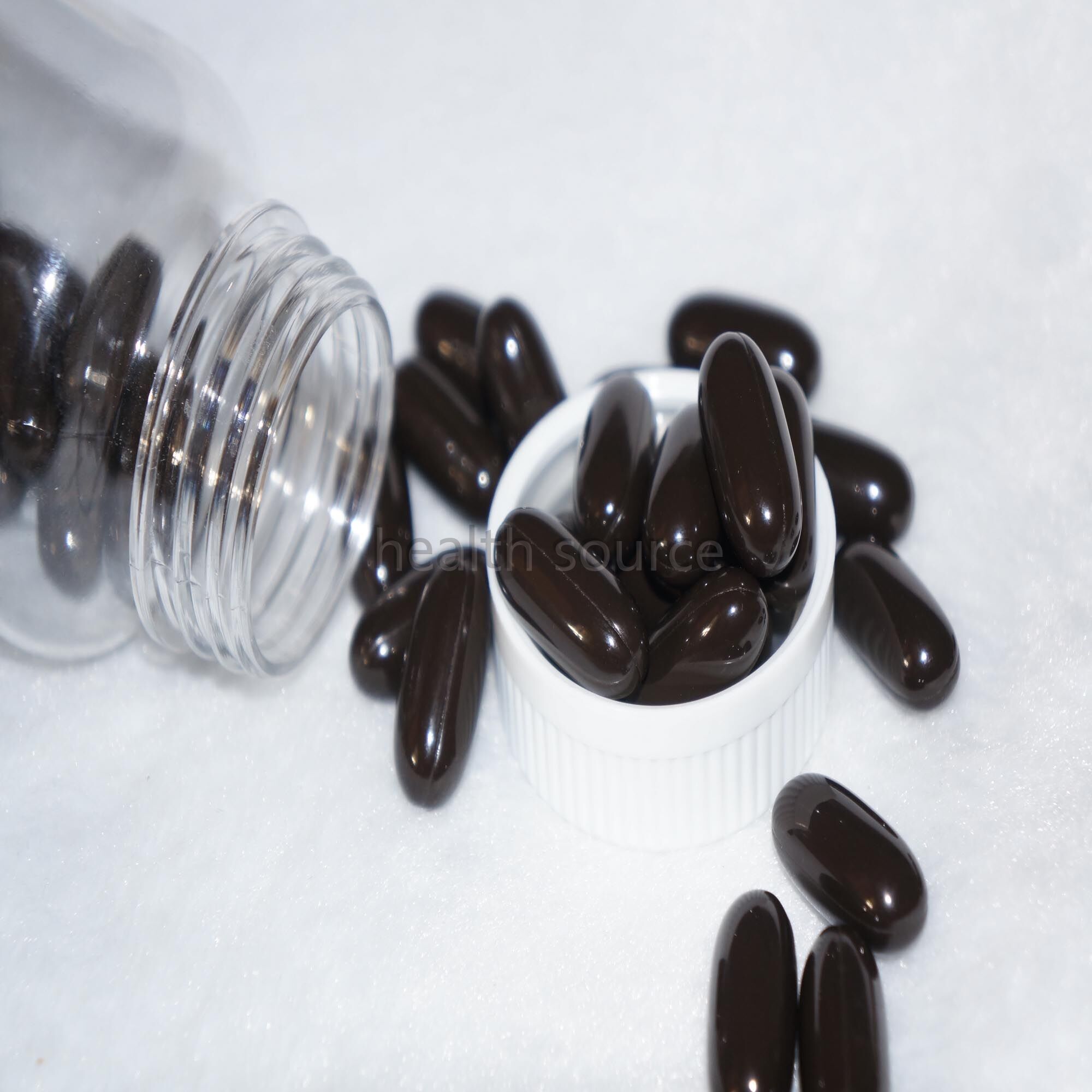
 Multivitamin Softgel CapsuleMultivitamin Softgel Capsule
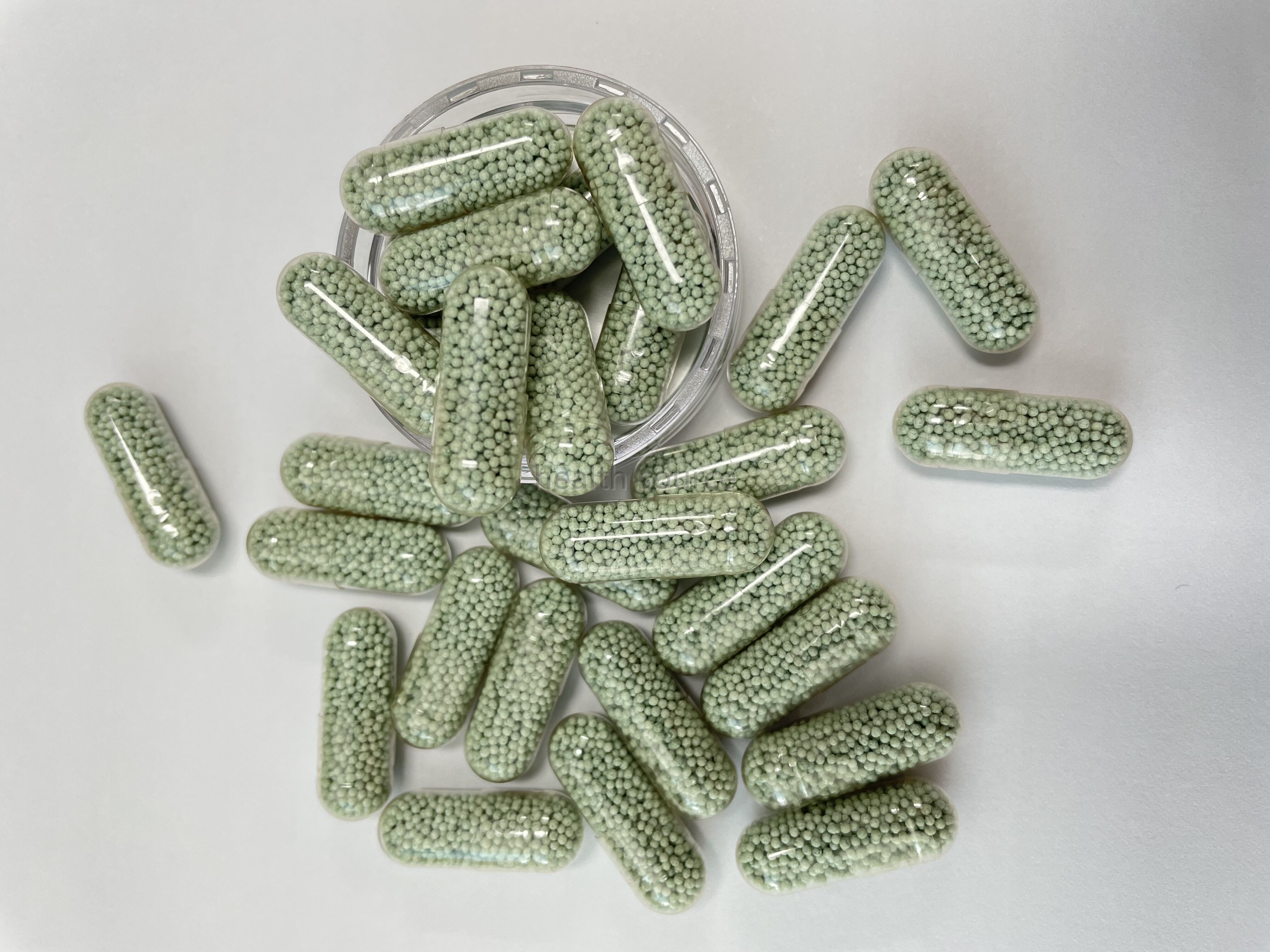
Formulas can be developed as per clients' requirements Magnesium Oxide Time Released MicropelletsMagnesium Oxide Time Released Micropellets
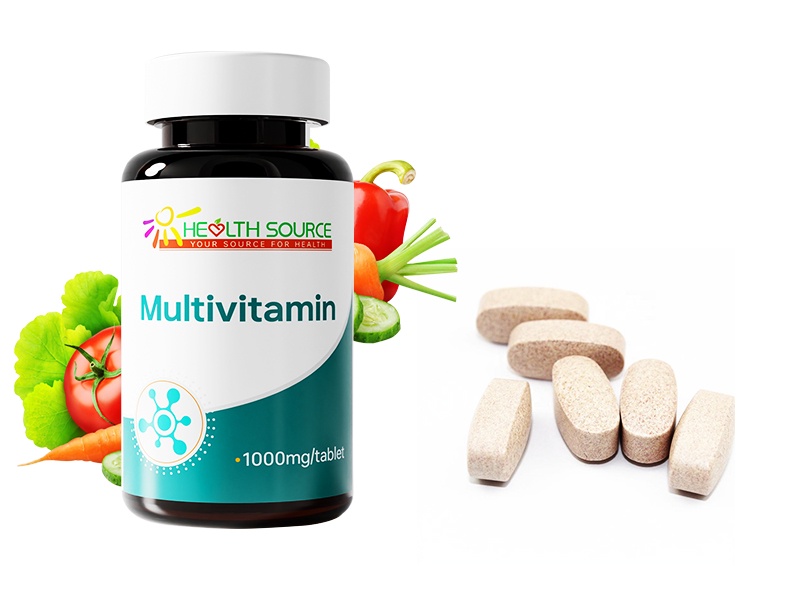
 Multivitamin Tabletmultivitamin tablets,benefits of multivitamins,daily vitamin supplements,multivitamin for immunity
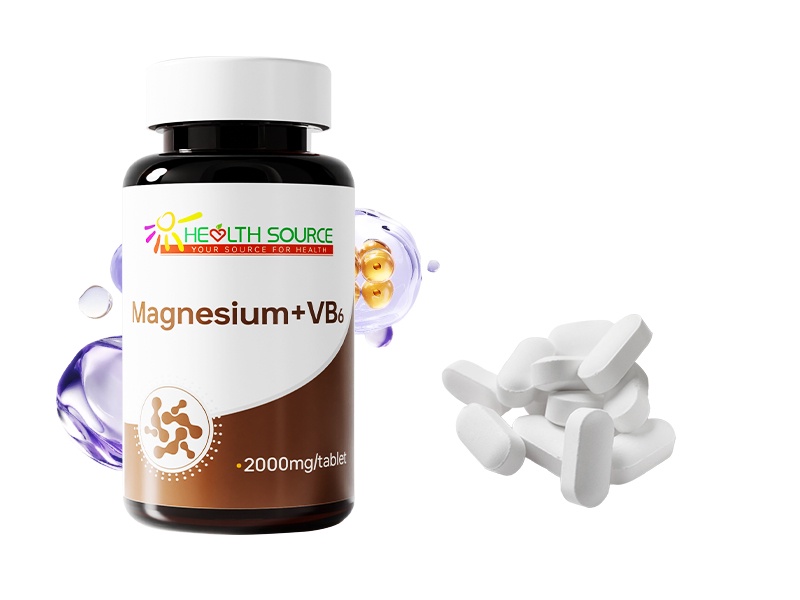
 Magnesium + VB6 TabletDiscover the benefits of Magnesium + Vitamin B6 tablets for nerve function, stress relief
Leave A Reply
First class quality service and professional after-sales team.
Get in Touch
*We respect your confidentiality and all information are protected.